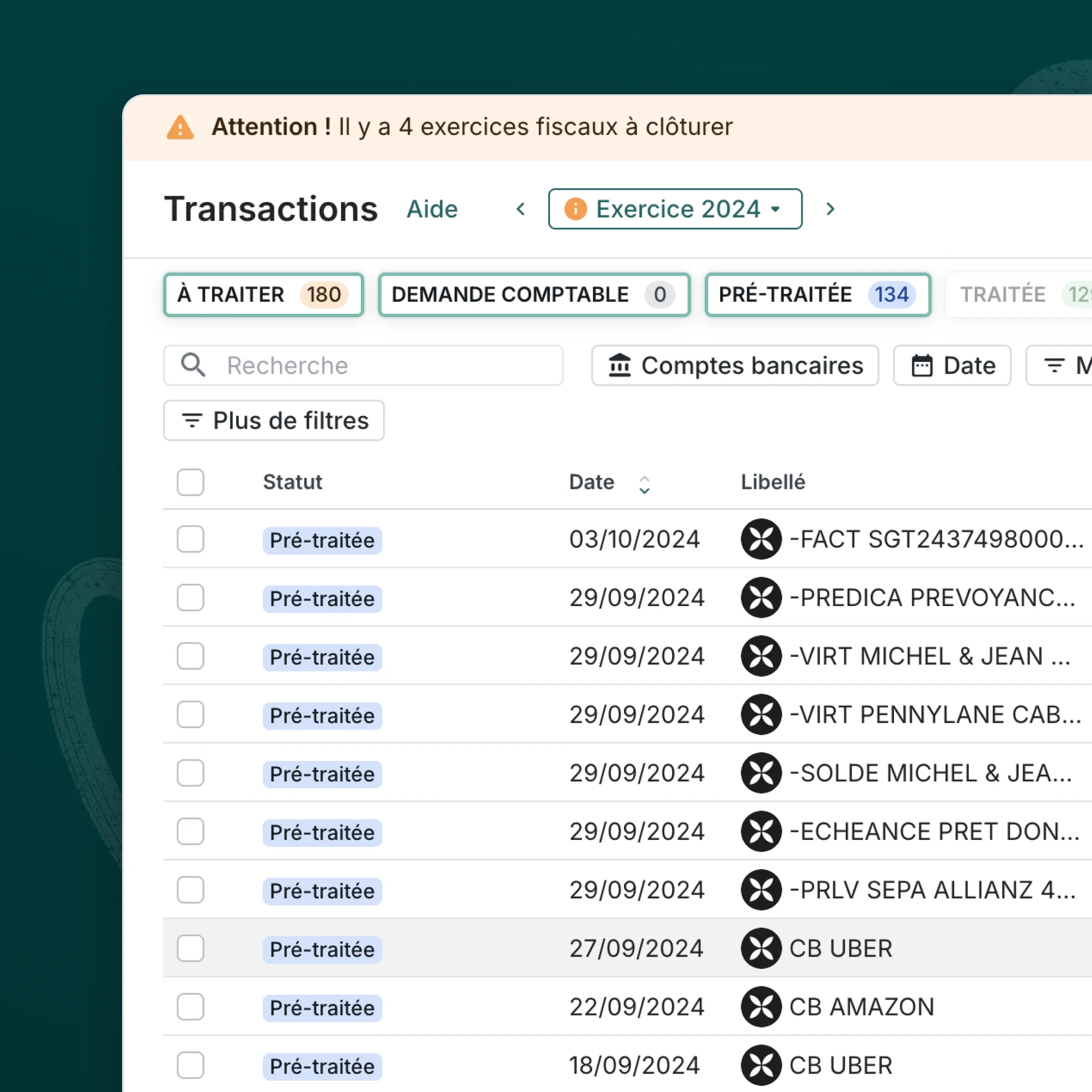
Transactions and cash visibility
When flows are clean and reviewed with the right rhythm, you can see collections, friction points and decision areas faster.

Pennylane brings bookkeeping, invoicing and cash visibility together. Hayot Expertise helps structure the setup, improve data quality and keep reporting easy to use.
Hayot Expertise supports business owners already using Pennylane who want a clearer structure, a steadier monthly rhythm, more reliable numbers and more usable reporting.
The objective is not to make the platform heavier. It is to keep Pennylane easy to use while making flows, VAT logic and monthly reporting more readable.
What we review
What companies already on Pennylane usually want
They usually want to keep the platform in place, but with a clearer structure, fewer grey areas and better financial visibility.
The objective is simple: keep the tool easy to use while making categories, VAT logic, automation and monthly deliverables more reliable.
This section focuses on the concrete uses that improve visibility: transactions, purchases, sales and practical automation.
When flows are clean and reviewed with the right rhythm, you can see collections, friction points and decision areas faster.
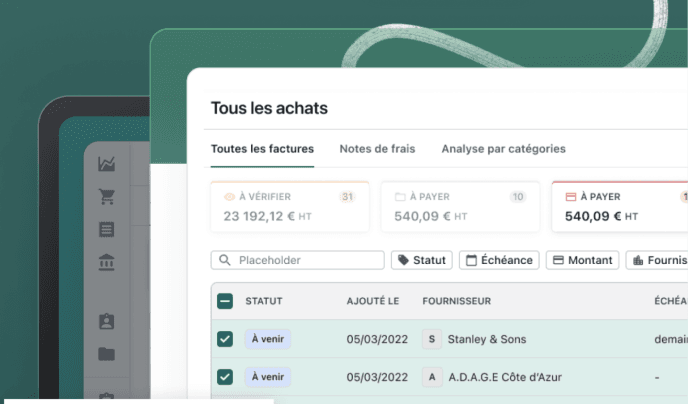
A well-structured purchase logic makes categories more stable, VAT safer and supporting documents easier to use.
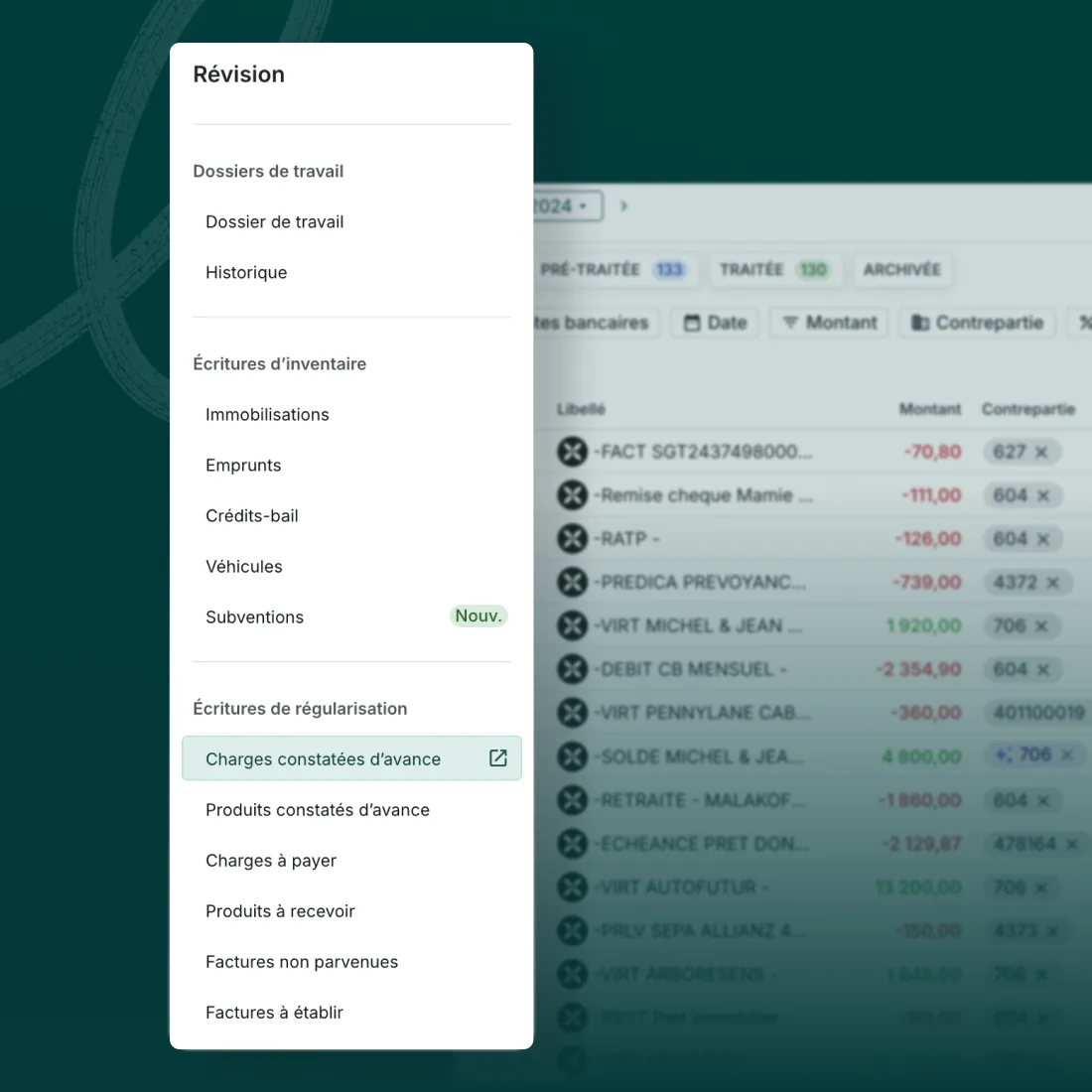
Billing, collections and deadlines become more valuable when they feed a clear business view and cash reading.
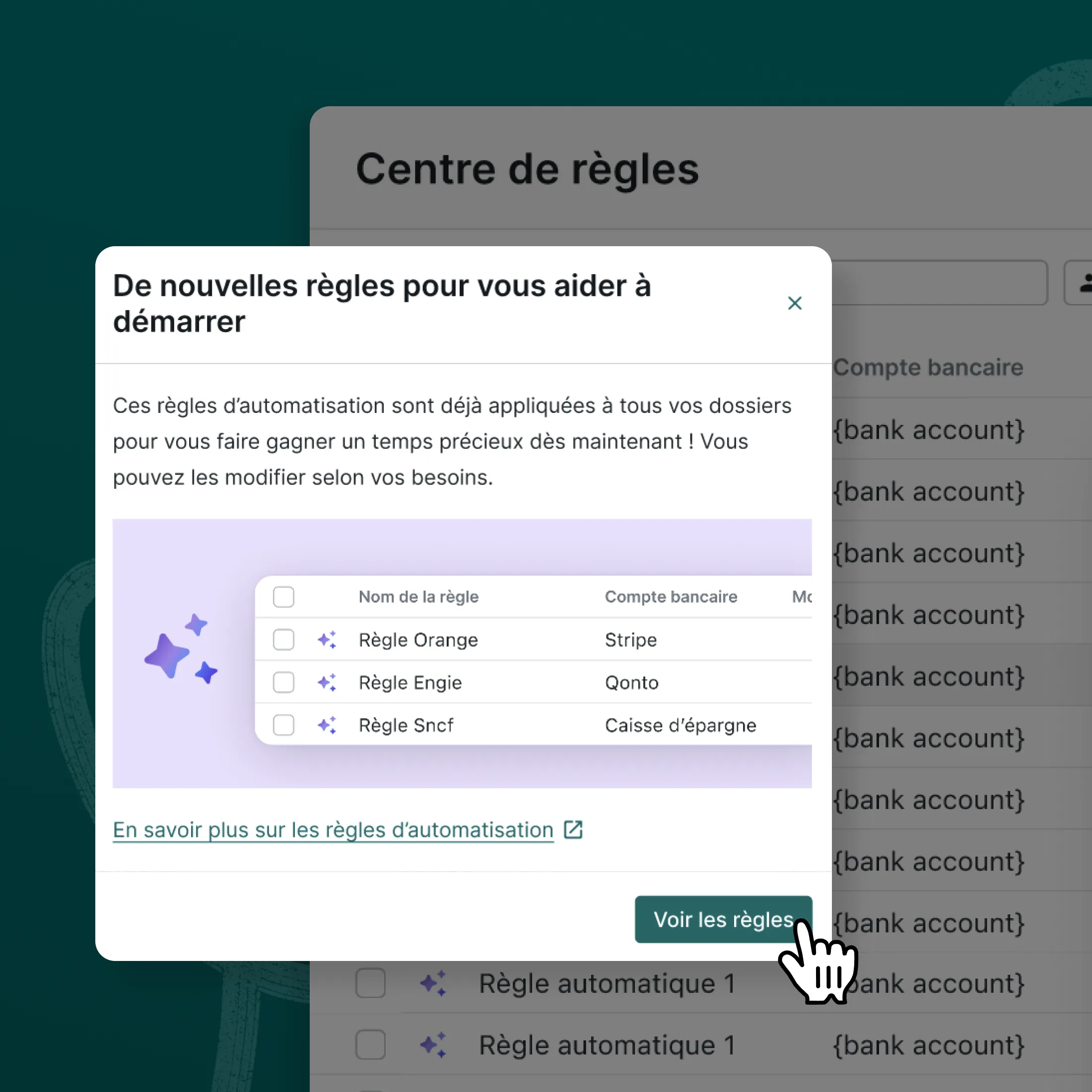
Automation matters when it saves time without reducing controls or making flows harder to understand.
The platform is powerful. The real difference then comes from three things: coherent setup, a monthly rhythm that holds, and useful financial visibility.
Management accounts, cash, margins, warning points and KPIs adapted to your business. Readable numbers, not just tidy bookkeeping.
Better organised validations, fewer scattered follow-ups and a team that knows what to review each month.
VAT, year-end work, spending, investments and monthly priorities become easier to read and manage.
When Pennylane is already active, it is possible to work from the current setup without rebuilding everything. The goal is to clarify what is missing, clean what reduces visibility and keep the workflow simple.
We identify what limits visibility today: weak categories, limited reporting, VAT issues, unclear monthly routines or underused platform features.
We keep the useful history and clean up rules to remove duplicates, badly tuned automation and views that reduce clarity.
We improve views, purchase and sales logic, categories, controls and cash reading so Pennylane stays useful in daily decisions.
We define who validates what, when issues are raised and which indicators deserve monthly attention.
During the first months, we refine the workflow, improve data quality and keep the platform useful for management decisions.
The official calendar is phased, but operational readiness comes first: data quality, flow design and internal ownership.
September 1, 2026: every business must be able to receive electronic invoices.
September 1, 2026: large companies and mid-sized businesses must issue electronic invoices.
September 1, 2027: SMEs and micro-businesses must issue electronic invoices.
To structure flows, cash visibility, reporting and fast-growth operating cycles.
Explore the sectorTo improve visibility over cycles, VAT, financing and multi-entity organisation.
Explore the sectorFor a simple, documented workflow with better decision-ready reporting.
Explore the sectorDirect answer. Pennylane is a French accounting, invoicing and cash management platform, registered as an approved platform by the French tax administration on a definitive basis since 11 December 2025. This page describes what Hayot Expertise configures, monitors and runs inside the tool day to day. If you are looking for the firm that will keep your books inside Pennylane, the scope and fees are on our Pennylane accountant page.
Pennylane helps centralise invoicing, purchases, banking flows and a large part of day-to-day financial visibility. The real value is not only digitising accounting work. It is keeping the setup readable, the data reliable and the monthly routine useful for management.
We are not just one Pennylane user among many. Samuel Hayot, a chartered accountant registered with the Ordre des experts-comptables (Paris Île-de-France) and a statutory auditor, is a Pennylane Power User and certified trainer. The firm produces its clients' accounting directly inside the platform, which changes everything: we know the settings that save time, the configuration pitfalls and the connectors that last. In practice, we work on three levels:
Pennylane is a rich platform. To keep it genuinely useful over time, most companies need:
The goal is therefore not to make the tool heavier. The goal is to make it more reliable and easier to use.
We review categories, documents, useful automations, validation flows and sensitive areas so the platform stays clean in daily use.
We organise a simple working rhythm around invoices, purchases, supporting documents, VAT, decision points and regular reporting.
Pennylane becomes more valuable when cash, payment delays, margin and spending appear clearly enough to support decisions.
When Pennylane is already in place, the value is not in rebuilding everything but in making the existing setup reliable. We review the settings actually in use, the consistency of categories and VAT rates, the automations that reduce clarity more than they help, the state of bank reconciliation and any suspense accounts left open. The objective stays simple: keep a stable foundation and make it easier to operate, without breaking what already works.
Two fee logics coexist, depending on your need:
The Pennylane subscription itself is billed separately by the vendor, and the firm takes no commission on it. In every case you receive a fixed quote within 24 hours of a free first exchange: the amount quoted is the amount invoiced.
Choose a certified partner firm that genuinely produces inside the platform, not just a firm that "accepts" Pennylane. Hayot Expertise takes over an existing Pennylane file with no migration or re-import: we contact your former firm for the professional handover and, within a few days, we take over your access.
A certified partner firm or an integrator. At Hayot Expertise the method has five steps: scoping, FEC and history recovery, chart of accounts, VAT and analytical setup, connection of banks and third-party tools with testing, then training. The usual timeline runs from one to four weeks depending on volume.
Yes. Pennylane has been registered as an approved platform by the French tax administration on a definitive basis since 11 December 2025 and natively handles issuing and receiving in Factur-X format. Official timetable: mandatory receiving for all businesses and issuing for large companies and mid-sized businesses on 1 September 2026, issuing for SMEs and micro-businesses on 1 September 2027.
Recurring bookkeeping inside Pennylane starts at €258 excl. VAT per month, adjusted case by case to your actual volumes; a one-off deployment or migration starts at €990 excl. VAT. The Pennylane platform subscription is billed separately by the vendor. See the detailed grid on our Pennylane accountant page.
Yes. It is often a strong option for companies that want more centralised flows and more regular financial visibility.
Yes. An active configuration can be reviewed, cleaned up and stabilised without starting again from scratch.
No. The platform improves collection, invoicing and reporting, but it does not replace VAT work, year-end closing or accounting and tax judgement.
Yes, provided the flows are properly maintained. In that case, it becomes a practical base for reading incoming cash, outgoing cash and warning points.
Already using Pennylane or wondering whether it fits your organisation well? We can review your flows, complexity level and reporting needs to shape a cleaner, more usable setup. To go further: our full Pennylane review, our migration and integrations guide and our Pennylane accountant page.
Beyond Pennylane, Hayot Expertise can support you on the underlying accounting and compliance work:

Chartered Accountant, registered with the Institute of Chartered Accountants. Certified Pennylane trainer.
Regulated French accounting and audit firm based in Paris 8, built to support companies across France with a digital and decision-oriented approach.
We review flows, VAT, categories and reporting with you to keep the platform simple, clean and useful.